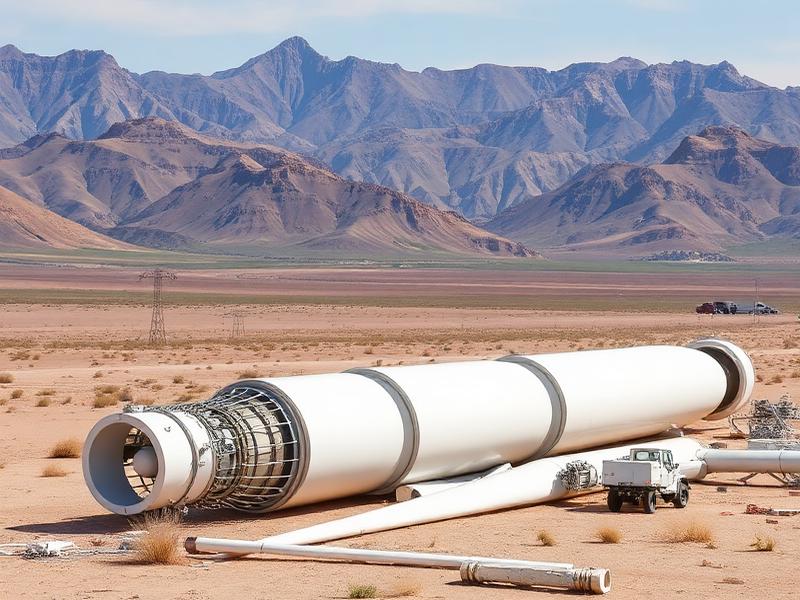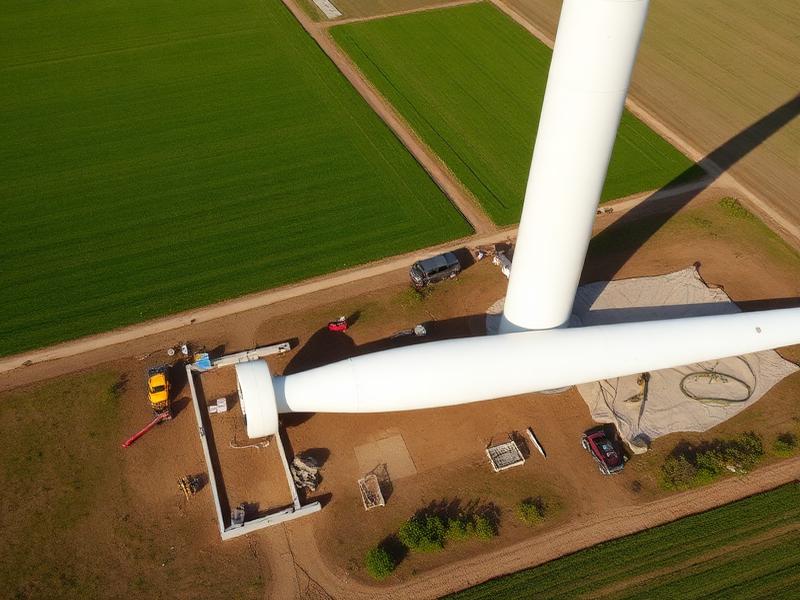
Weather windows, exclusion zones, and the two decisions that separate a safe lift from an incident report.
After more than a hundred turbine erections across the Baltics and northern Germany, a few patterns have become obvious. The lifts that go wrong almost never go wrong because of the crane. They go wrong because of decisions made hours or days earlier.
Decision one: when to stop for weather. The published wind limits from the crane and OEM are non-negotiable, but they are not a decision-making tool. On the day, the site lead needs a forecast product they trust, and the authority to postpone without commercial pressure. That authority has to come from the top of the organisation.
Decision two: how strict the exclusion zone actually is. On paper, everyone agrees. In practice, someone always wants to walk under the load 'just to grab a tool'. A clear physical barrier, radio discipline, and a dedicated banksman prevent 90% of near-misses we've catalogued.
Everything else — the tooling, the rigging, the checklist — matters, but those two decisions are the ones that separate a good HSE record from a mediocre one.